




Thank you for visiting our blog. We are the bridge between the reading community and you. Reach out to us if you'd like to collaborate with bookish creators.

It seems as if every new release now comes with sprayed edges, art under the dust jacket and exclusive bonus chapters. Special edition books used to feel genuinely rare. A few years ago, just one of these additions would make that book a special edition. But, if every book includes them, are they even special any more?
Quick Summary: The explosion of book subscription boxes and publisher exclusives has transformed special edition books from rare collectibles into a mass-produced standard. This shift is fuelling consumer fatigue and FOMO marketing, while simultaneously boosting physical book sales.
It used to be so exciting to receive a special edition book and gasp at the edges. I remember squealing, seeing a solid pink edge on a book. Now, I’d roll my eyes at that and think it’s boring. It’s not even just hardbacks that are getting the special edition treatment. I own multiple paperback copies with intricate stencilled edges, or even completely redesigned covers.
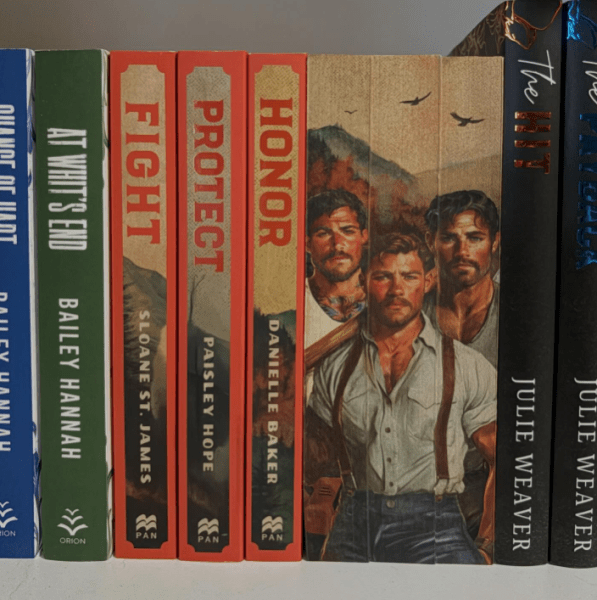
While all these gorgeous editions are absolutely a win for aesthetics (and my shelves), is the over-saturation of special editions turning what used to be unique, collector’s joy into an expensive standard?
I only need to go back 2-3 years when special editions were just that: special. You might get a redesigned anniversary edition, or a big new release would have a limited run with signed tip ins, or exclusive art work.
Then came the rise of “collector’s editions”. These are the releases with different designs under the dust jacket, or different bonus chapters. Gotta catch ‘em all! The problem with this is it encourages people to want to complete the collection and own multiple copies of the same book. While a lot of us own multiple copies of a favourite, being encouraged to buy 3,4 even 5 copies of the same book – that you haven’t read yet – reading becomes an expensive hobby.
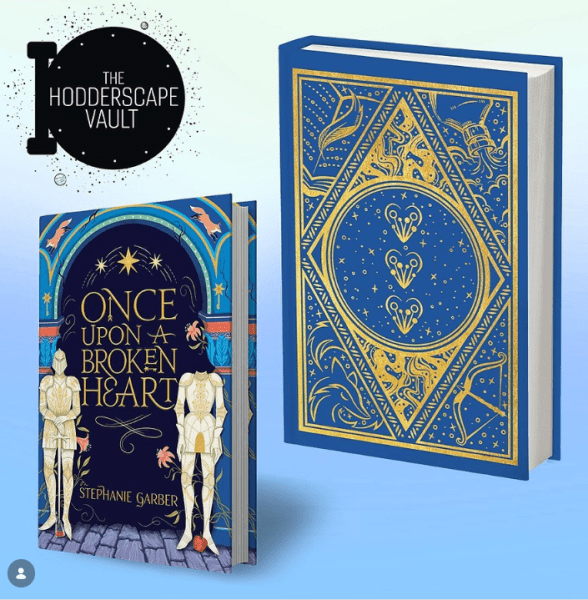
It used to be that if you wanted a special edition, you needed to hunt out a subscription box edition. Fairyloot, Illumicrate, Owlcrate – they owned the special edition market. As they are all subscription models with limited print runs, all of their titles felt truly exclusive. If you were lucky enough to have an active subscription, you knew that you’d be the envy of Bookstagram with your gorgeous unboxings.
However, as these book boxes grew in popularity, their print runs skyrocketed. To put it in perspective, look at how the print runs of these “exclusive” editions compare to traditional publishing standards:
| Edition Type | Average Print Run Size |
| Indie Special Edition | ~500 copies |
| Standard Debut Novel (Traditional) | 5,000 – 10,000 copies |
| Major Book Box Exclusive (e.g., Fairyloot) | 15,000 – 30,000 copies |
| Combined Big Three Boxes (Monthly) | 50,000 – 100,000 copies |
“When an indie author prints a book, a ‘limited run’ might mean 500 copies. When a major publisher prints a standard debut, it might be 10,000 copies. But when a major book box prints a ‘Limited Exclusive Edition,’ they are printing up to 35,000 copies at a time. We have crossed the line from curated collecting into mass industrial production.”
So what does this mean to the typical reader. Books are expensive, and special editions typically sell at a higher price. If you are fortunate enough to buy the book at release, you may be spending £25/$40 per title. If you miss out and try to find it on resale, some copies are selling upwards of £100/$150. This expense makes special editions only available to the few, not to everyone.
While the secondary market and scalper pricing can make exclusive editions a luxury item, UK discount retailers like The Works are democratizing the trend. Books are also beautiful decorative items, and whether they are face out, spine out or sprayed edge out, they look gorgeous on everyone’s shelves. Some of the stunning special editions that exist are talking points for both readers and non readers alike. We also see people who wouldn’t describe themselves as readers pick up books because of how they look. Just look at the Off Campus series from The Works. This set has a fairly minimal sprayed edges, yet was selling out within minutes of going out on shelves. While the show obviously raised awareness of the book, people still were choosing to buy a boxset of 5 books, rather than just The Deal.
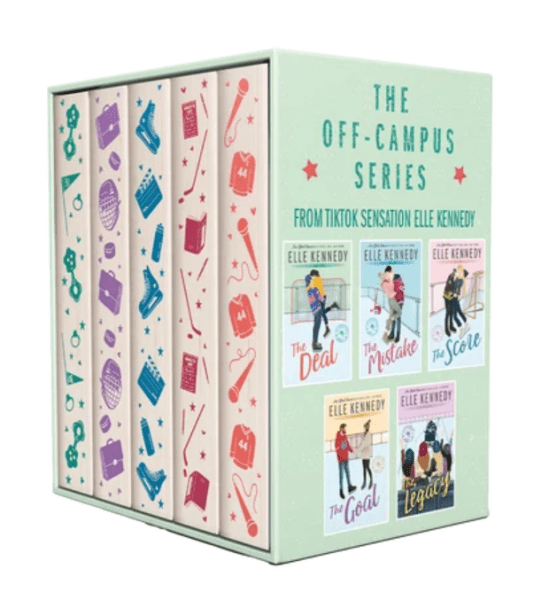
The rise of special editions means that more people are buying physical books. While you can prise my kindle out of my cold hands, I will still always prefer a physical book, perhaps just as a shelf trophy. In this age with rising concerns over how easily digital media can be altered, a lot of people prefer a physical copy too.
Are special editions too commonplace, or do they encourage people to read? When standard hardback editions are expected to have sprayed edges, it does start to minimise the meaning of the word ‘special’. It can also lead to quality issues with printers rushing to meet demand.
Overall, I don’t think the special edition trend is going away. We’ll probably see editions get more and more special in fact. I think we’ll see more books with slipcases, and I also think we’ll see double fore-edge painting return. This is an ancient technique where there is one image when you push the pages to one side, and a different image when you push them the other way.
How can we navigate this as readers without bankrupting ourselves? Like with many things, we need to consider whether we want a beautiful edition of a mediocre book, or prefer to save the gorgeous copies for just your favourites. What do you think? Are you experiencing special edition fatigue, or can you not get enough of these books?


Thank you for visiting our blog. We are the bridge between the reading community and you. Reach out to us if you'd like to collaborate with bookish creators.