






Thank you for visiting our blog. We are the bridge between the reading community and you. Reach out to us if you'd like to collaborate with bookish creators.
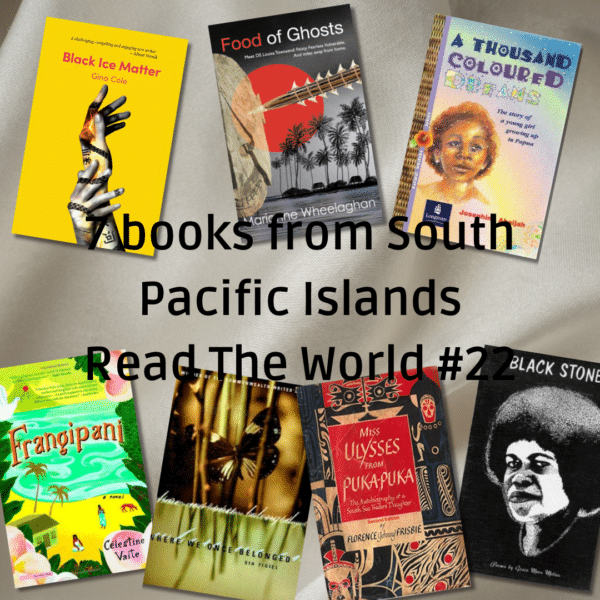
As we wrap up our Read the World series for the year, let’s visit a group of islands that are often overlooked in mainstream reading lists. The Pacific Islands (often referred to as Oceania, alongside New Zealand and Australia) span millions of square miles across the world’s largest ocean. While these island communities share deep ancestral, linguistic, and seafaring roots, each nation nevertheless offers its own distinct cultural identity and fierce literary perspective.
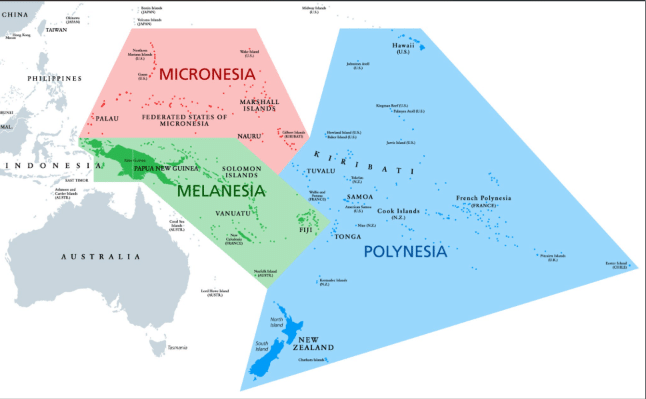
When looking for authentic books from the South Pacific, it helps to understand how the region is geographically and culturally organized into three distinct sub-regions:
Quick Summary: Recommended South Pacific Books at a Glance
- Samoa (Polynesia): Where We Once Belonged by Sia Figiel (Modern Coming-of-Age)
- Fiji (Melanesia): Black Ice Matter by Gina Cole (Pasifikafuturism / Sci-Fi)
- Tahiti (Polynesia): Frangipani by Célestine Hitiura Vaite (Domestic Comedy / Family Fiction)
- Kiribati (Micronesia): Food of Ghosts by Marianne Wheelaghan (Crime Fiction / Island Mystery)
- Papua New Guinea (Melanesia): A Thousand Coloured Dreams by Josephine Abaijah (Historical Memoir)
- Vanuatu (Melanesia): Black Stone by Grace Mera Molisa (Indigenous Political Poetry)
- Cook Islands (Polynesia): Miss Ulysses from Puka-Puka by Florence “Johnny” Frisbie (Classic Travel Memoir)
For centuries, Western depictions of these three zones were dominated by outside perspectives. Writers like Robert Louis Stevenson, Herman Melville, and Pierre Loti framed the Pacific through a narrow colonial lens. They often cast islands as either pristine tropical paradises or untamed wildernesses.
There were two main viewpoints. On one hand, islanders were cast as “ignoble savages”: lawless, cannibalistic tribes who supposedly “needed” European rule and Christian salvation. Consequently, sensationalized survival stories from the likes of Herman Melville became wildly popular among Victorian readers in Europe and America. On the other hand, European romanticism created an opposing trope: the “noble savage”. This was an equally dehumanising view of islanders, treating them as overly innocent and ignoring the complex communities.
While those colonial-era narratives form a historic layer of the region’s publishing past, the true heart of Oceanian literature belongs to the Indigenous authors and islanders who live there. Contemporary Pasifika books are vibrant, nuanced, and fiercely diverse, spanning coming-of-age village fiction, speculative Pasifikafuturism, political poetry, and island mysteries. If you want to learn more about these islands, pick up a book by an Indigenous author.
What Does “Pasifika” Mean?
Pasifika is a term originating from New Zealand (Aotearoa) to describe people, cultures, and heritage connected to the Pacific Islands, specifically Polynesia, Melanesia, and Micronesia.
- Origin: The word comes from the transliteration of “Pacific” into Samoan, Tongan, and other Polynesian languages. It was adopted in New Zealand to collectively represent Pacific Islander diaspora communities living there.
- Who It Includes: It encompasses individuals with ancestry from islands across the Pacific, such as Samoa, Tonga, Fiji, the Cook Islands, Niue, Tokelau, Kiribati, Tuvalu, and Vanuatu.
These seven titles offer an unvarnished, authentic portal into the life, history, and spirit of Pacific Islander communities.
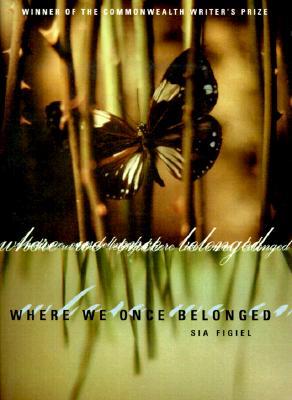
A heartland of Polynesian culture in the Central Pacific, Samoa consists of two main volcanic islands (Upolu and Savai’i). Governed by fa’a Samoa (the Samoan way of life), a traditional system of chieftainship and family loyalty. Samoa boasts a rich oral storytelling heritage.
The Story: Set in the fictional village of Malaefou during the 1970s, this groundbreaking novel follows Alofa Filiga as she navigates adolescence. Figiel blends traditional Samoan su’ifefiloi (storytelling patchwork) with sharp, humorous prose to capture the tension between ancient communal customs, church expectations, and incoming Western pop culture.

An archipelago of more than 330 islands in Melanesia, Fiji sits at the cultural crossroads of the Pacific. Its complex history encompasses Indigenous iTaukei traditions, British colonial rule, and a large Indo-Fijian population brought over as indentured laborers in the late 19th century. Fiji welcomes the most international visitors each year out of the South Pacific islands.
The Story: Winner of the Hubert Church Best First Book Award, this inventive collection bridges tropical Pacific environments with icy, speculative landscapes. Cole, an Indo-Fijian writer, uses sci-fi, climate fiction, and surrealism to examine identity, connection, and heat/ice polarities across Oceania and beyond.
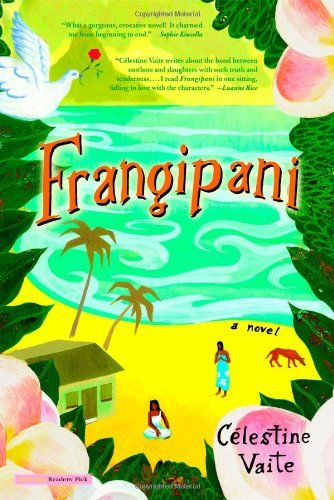
The largest island in French Polynesia, Tahiti is known for its dramatic volcanic peaks, black-sand beaches, and deep artistic traditions. Modern Tahiti is a vibrant society balancing French administrative ties with a proud revival of Indigenous Ma’ohi language and culture. Tahiti, and neighbouring Bora Bora, are some of the most well known islands associated with luxury travel.
The Story: Written by a native Tahitian author, Frangipani offers a warm, humorous look at everyday life away from tourist resorts. The novel centers on Materena, a professional seamstress and master listener of the island gossip network, and her evolving relationship with her stubborn daughter Leilani as the island shifts around them.
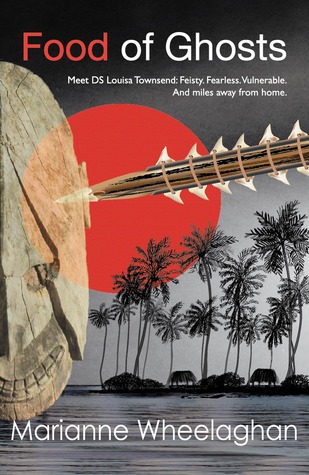
Straddling the equator, Kiribati (pronounced Kee-ree-bas) consists of 33 low-lying coral atolls and reef islands. While primarily grouped within Micronesia, its easternmost Line Islands extend directly into Polynesia. This makes Kiribati the only nation on Earth situated in all four hemisphere quadrants. With most islands rising just a few meters above sea level, daily life is shaped by an intimate relationship with the ocean and urgent modern climate conversations.
The Story: Set on the main atoll of Tarawa, this atmospheric detective novel follows a local police inspector investigating a murder linked to traditional superstitions, local politics, and foreign influences. It doubles as an immersive travelogue through life on a remote coral atoll.
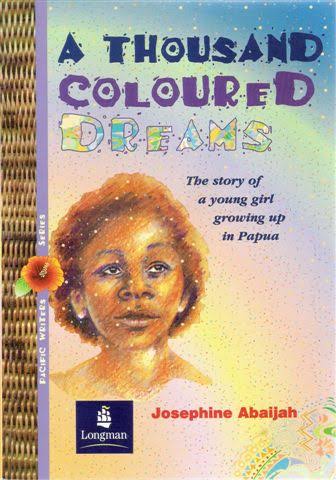
Occupying the eastern half of the world’s second-largest island, Papua New Guinea (PNG) is one of the most culturally and linguistically diverse places on Earth, home to over 800 languages.
The Story: Josephine Abaijah was the first woman elected to PNG’s parliament. Her semi-autobiographical work chronicles her journey growing up in a traditional Papuan village, experiencing Australian colonial administration, and fighting for political self-determination and women’s rights leading up to national independence in 1975.
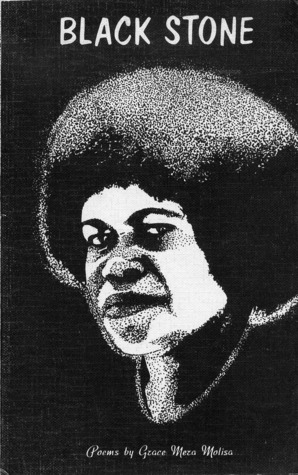
A Y-shaped chain of 83 islands in Melanesia, Vanuatu is famous for its active volcanoes (like Mount Yasur), tribal customs (kastom), and resilient spirit. Formerly governed jointly by Britain and France as the New Hebrides, Vanuatu won its independence in 1980.
The Story: Grace Mera Molisa was one of Vanuatu’s leading intellectuals, politicians, and social activists. This sharp poetry collection confronts post-colonial politics, female autonomy, environmental destruction, and the preservation of ni-Vanuatu identity during the country’s transition into statehood.
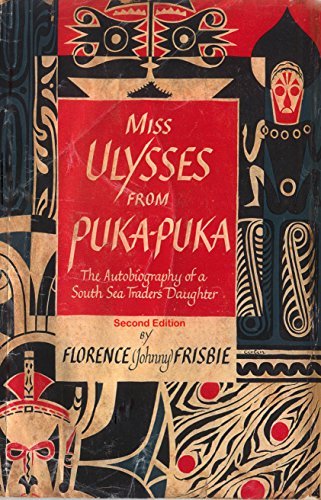
Settled over a millennium ago by Polynesian voyagers, the 15 Cook Islands (named after Captain James Cook), spread across a vast expanse of the South Pacific. Pukapuka, a remote coral atoll in the northern group, remains famous for its distinct dialect, sustainable resource management, and traditional lifestyle.
The Story: Written in 1948 when the author was just 12 years old, this extraordinary book is celebrated as one of the first published works by an Indigenous Pacific Islander. Florence, the daughter of an American trader and a Pukapukan mother, tells the thrilling story of her childhood, surviving typhoons, sailing across remote Pacific islands, and growing up between two worlds.
Where We Once Belonged by Sia Figiel is an excellent entry point. It provides an authentic, humorous, and deep look into village life in Samoa, offering insight into traditional communal customs vs. modern influences.
For centuries, literature set in the South Pacific was written primarily by Western authors through a colonial lens. Reading works by Indigenous Pasifika authors provides authentic perspectives on island history, identity, environmental reality, and oral storytelling traditions.
Oceanian literature covers three distinct geographic and cultural zones: Polynesia (e.g., Samoa, Tahiti, Cook Islands), Melanesia (e.g., Fiji, Papua New Guinea, Vanuatu), and Micronesia (e.g., Kiribati).


Thank you for visiting our blog. We are the bridge between the reading community and you. Reach out to us if you'd like to collaborate with bookish creators.