






Thank you for visiting our blog. We are the bridge between the reading community and you. Reach out to us if you'd like to collaborate with bookish creators.
We all associate Halloween with carving pumpkins, trick-or-treating, and dressing up in spooky costumes. It’s easily the most spine-chilling time of the year! But where did these traditions actually originate?
Let’s take a deep dive into the history behind our favourite modern Halloween customs and explore how different cultures across the globe honour spirits during the autumn harvest.
Quick Summary: While modern Halloween originated from ancient Celtic rituals in Ireland and Scotland, cultures across Europe, Latin America, and Asia celebrate their own unique harvest and ancestor traditions during late autumn.
| Region / Country | Festival Name | Main Tradition / Custom | Timing |
| Ireland / Scotland | Samhain | Bonfires, disguises, and door-to-door guising | 31st October |
| Austria | Seelennacht | Leaving bread, water, and lit lamps for visiting souls | 31st October |
| Mexico | Día de los Muertos | Colourful ofrendas, sugar skulls, and honoring loved ones | 1st–2nd November |
| Guatemala | Barriletes Gigantes | Flying giant hand-crafted paper kites over graveyards | 1st November |
| Sweden | Alla Helgons Dag | Lighting candles (gravljus) and laying wreaths in graveyards | First Saturday of November |
| Philippines | Pangangaluluwa | Youth singing hymns door-to-door in exchange for food and prayers | 1st–2nd November |
Samhain (pronounced SOW-in) is an ancient Gaelic harvest festival celebrated on 31st October that serves as the direct ancestor of modern Halloween. It marks the end of the harvest season and the beginning of the “darker half” of the year.
The Celts believed that on the night of 31st October, the boundary between the world of the living and the dead was the thinnest. To protect themselves, communities took specific precautions:
In the 8th Century, Pope Gregory III designated 1st November as All Saints’ Day (also known as All Hallows’ Day) to honour saints and martyrs. The evening before naturally became known as All Hallows’ Eve, which was eventually shortened to Halloween.
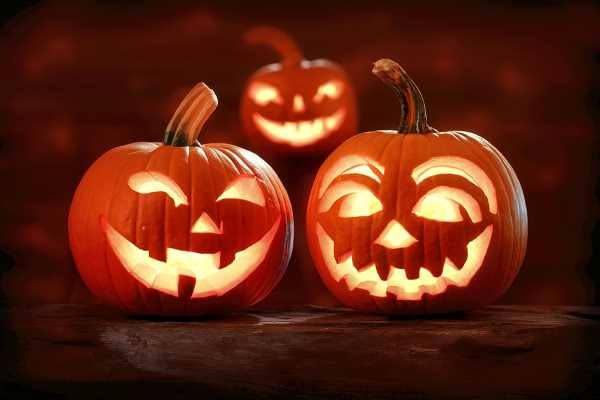
The carved pumpkin traces its roots back to an Irish folk legend about Stingy Jack, a notorious trickster who duped the Devil multiple times.
When Jack died, God denied him entry to Heaven due to his sinful life, and the Devil refused to let him into Hell. Condemned to roam the earth in eternal darkness, Jack was given a single burning ember from the pits of Hell to light his path. Jack hollowed out a turnip, placed the ember inside, and became known as “Jack of the Lantern” (or Jack-o’-Lantern).
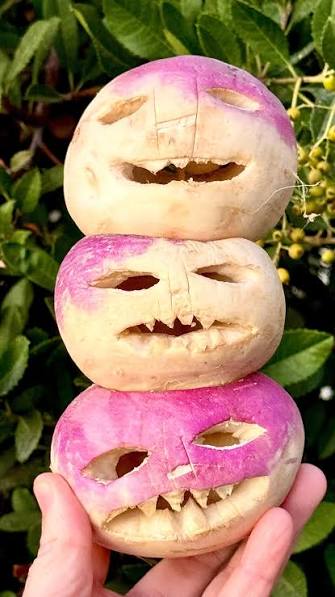
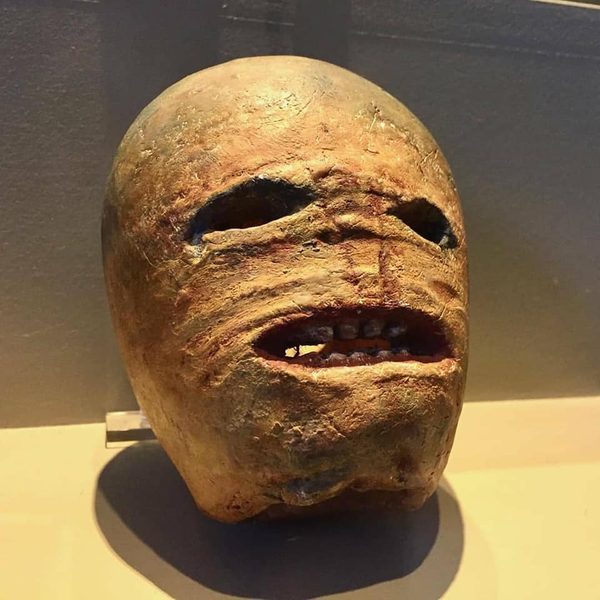
During Samhain, villagers carved frightening faces into turnips, beets, and swedes to scare off Jack’s wandering ghost. When Irish and Scottish immigrants arrived in North America during the 19th century, they discovered native pumpkins, which were much larger and far easier to carve.
The below images show a modern interpretation of turnip carving, and a traditional (circa 1850) preserved carved turnip from Ireland. I think the ancient one is super scary!
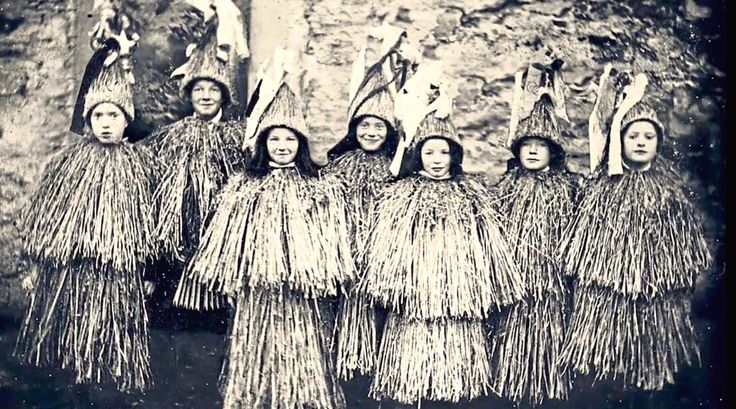
Wearing disguises also stems directly from Samhain traditions. People wore masks so roaming spirits would mistake them for fellow spectres and leave them unharmed. In the Middle Ages, this practice evolved into mumming or guising, where costumed revellers performed dances, songs, or plays door-to-door for food and drink.
Modern trick-or-treating blends ancient guising with 20th-Century history. In the early 20th Century in North America, Halloween had become a night of pranks.
To curb the damage, neighbourhood groups revived the old European custom of door-to-door treats. Children offered home owners a clear choice: give a sweet treat or face a harmless prank!
While American-style Halloween is increasingly popular across Western Europe, distinct regional customs exist that celebrate spirits, ancestors, and the changing seasons.
On the night of 31st October, some Austrian families leave bread, water, and a lit lamp on the dining table before going to sleep. This warm gesture welcomes visiting souls back to Earth and provides them with sustenance during Seelennacht.
Italian traditions surrounding Ognissanti (All Saints) and Giorno dei Morti (Day of the Dead) centre heavily on family and traditional foods:
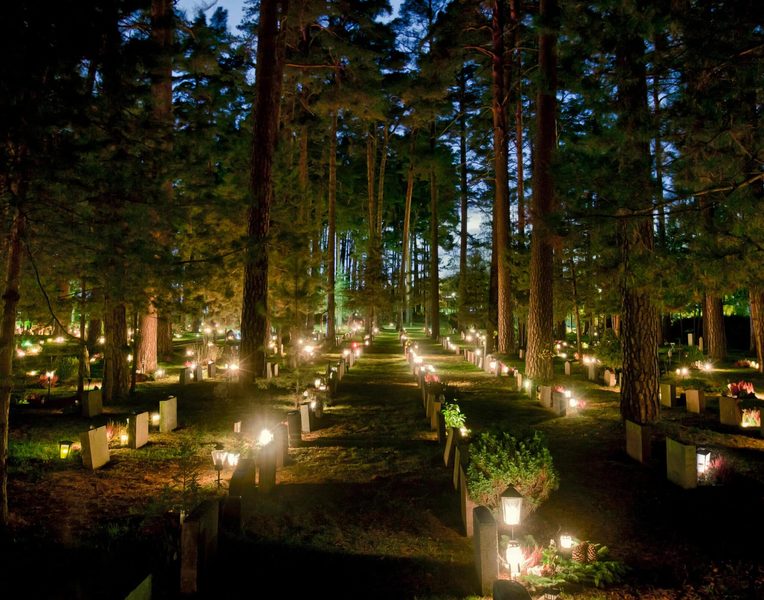
Celebrated on the first Saturday of November, Alla Helgons Dag is a quiet, beautiful holiday. Families visit graveyards at dusk to light candles (gravljus) and place evergreen wreaths on ancestral graves, transforming entire forests and cemeteries into glowing seas of light.
Before All Saints’ Day (Pyhäinpäivä) was established, Finns celebrated Kekri, a pagan festival marking the end of the agricultural year. People enjoyed lavish feasts (kekrikokko), dressed up as the harvest goat (Kekripukki), and set aside food to honour visiting family spirits.
Celebrated on 30th November, this holiday is often called the “Romanian Halloween.” Folklore dictates that evil spirits (strigoi) and wolves gain special powers on this night. To protect themselves, families rub garlic along doors, windows, and animal sheds, and turn pots upside-down in the kitchen to prevent spirits from hiding inside.
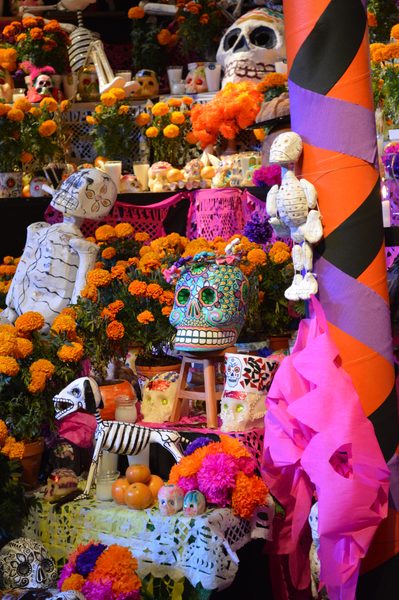
Día de los Muertos is a Mexican holiday celebrated on 1st and 2nd November that honours deceased relatives with vibrant altars and family reunions.
Far from a somber or scary occasion, families erect colourful altars (ofrendas) decorated with bright orange marigolds, sugar skulls (calaveras), and favourite dishes to invite the spirits of their loved ones back for a joyful celebration.
Held in early November, Fête des Guédé is a Voodoo celebration honouring the Guédé—the spirit family responsible for death, fertility, and rebirth. Celebrants dress in black, purple, and white, parade through cemeteries, and pour rum infused with chilli peppers over graves to warm the spirits of their ancestors.
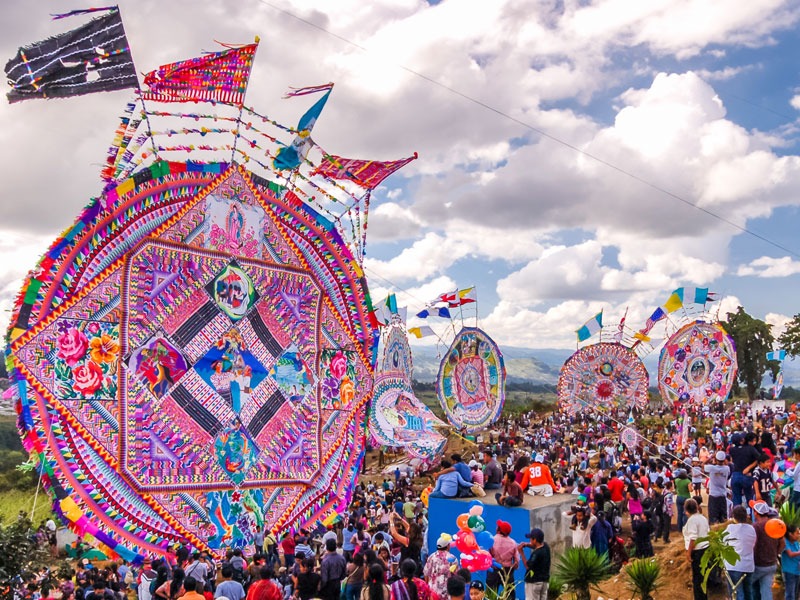
On 1st November, Guatemalans gather in cemeteries to fly massive, brightly hand-crafted paper kites. Flying these giant kites during Barriletes Gigantes serves as a symbolic bridge of communication between the living and the deceased.
In rural regions of the Philippines during Undas (All Saints’/Souls’ Day), young people engage in Pangangaluluwa. Dressed in white sheets representing souls in purgatory, they go door-to-door singing traditional hymns and offering prayers for homeowners’ deceased relatives in exchange for food, rice, or small monetary gifts.
Taking place in late summer (usually August), Teng Chieh marks the opening of the gates of the underworld. To comfort roaming ancestors in the afterlife, families burn paper money, clothes, and goods, leave out plates of food, and float paper lanterns down rivers to guide lost spirits home.
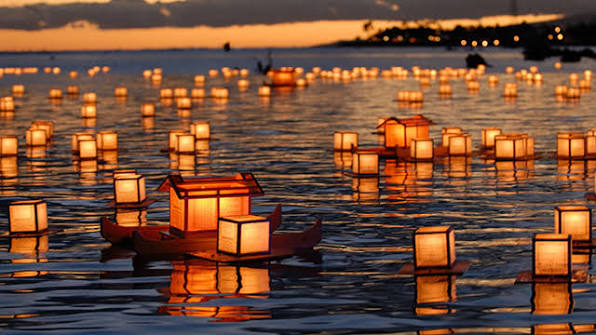
From ancient Celtic bonfires to flying giant kites in Guatemala, cultures around the world have independently created traditions to honour the dead and celebrate the autumn harvest.
Is it purely a coincidence that so many societies use this changing season to light up the darkening nights and remember those who came before? However you choose to mark the occasion this year, have a safe and happy Halloween!


Thank you for visiting our blog. We are the bridge between the reading community and you. Reach out to us if you'd like to collaborate with bookish creators.