



Thank you for visiting our blog. We are the bridge between the reading community and you. Reach out to us if you'd like to collaborate with bookish creators.
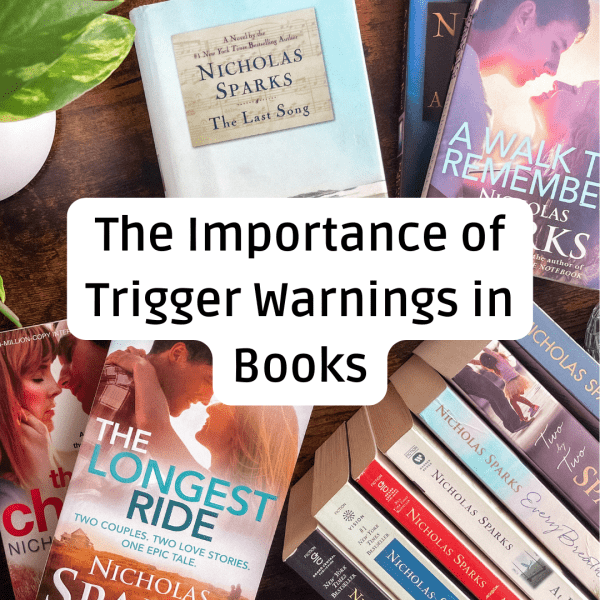
Trigger Warnings or Content Warnings are a hot topic in the book world. In this guide, we’re exploring the
importance of trigger warnings in books , why they are essential for accessibility, and how to use them without spoiling the plot.
Read on and come and join the conversation on bookinfluencerscom.
Let’s start with the basics. What do we mean by trigger warnings? Trigger warnings (TWs) or content warnings (CWs) are generally statements, themes, or content that indicates potentially distressing material in the book. The two terms are used pretty interchangeably, although the industry is moving more towards the term content warning as standard. We will use both in this blog post.
CWs could include broad themes such as ‘violence’ or ‘blood’, or could reference specific phobias, such as ‘trypophobia’ or ‘arachnophobia’. They are there to inform people who may need to know about this content before picking up the book. Research shows that roughly 10% of people will experience PTSD at some point, and for these readers, a warning isn’t about comfort: it’s about health.
The importance of trigger warnings in books is a matter of accessibility. For readers living with PTSD or specific traumas, a warning isn’t about avoiding a “sad” story, it is about preventing a physiological psychological response. Research suggests that roughly 10% of people will experience PTSD at some point in their lives. For these individuals, an unexpected encounter with a traumatic theme can trigger a flashback or a panic attack.
However, mental health is only one piece of the puzzle. There are many reasons why a reader might need to “opt-out” of a specific theme:
While some triggers are constant, such as a veteran passing on books with graphic combat, others are temporary. A reader might be perfectly fine with a theme next year, but right now, they need their reading time to be a safe haven. Trigger warnings provide the roadmap they need to navigate those choices.
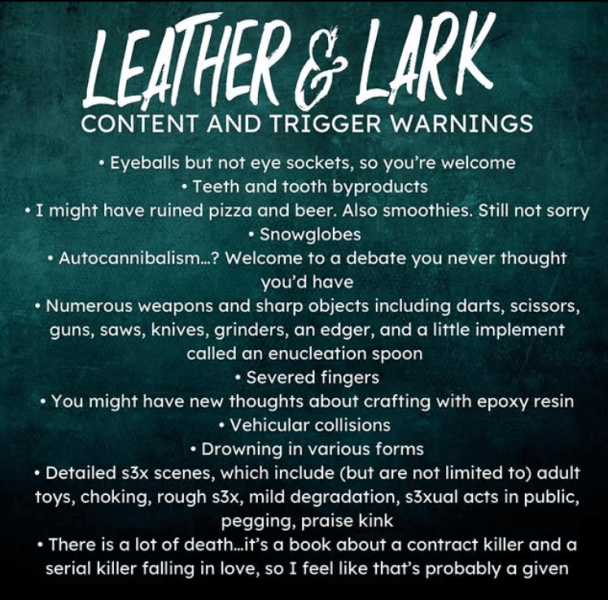
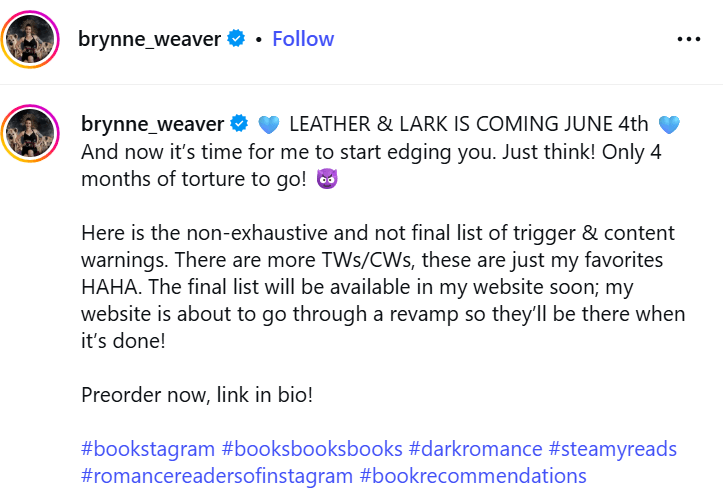
If you don’t have any triggers, it can be difficult to understand the importance of trigger warnings in books. Maybe you don’t see why books include a list of CWs when they don’t impact everyone. Perhaps you don’t include CWs in reviews because you don’t see the point of them.
We would suggest that TWs are an act of community care. Supporting the inclusion of warnings, even when you don’t need them, helps to create a more inclusive literary world. It’s about bodily autonomy: giving every reader the right to choose when they are ready to engage with heavy themes. Including warnings in your reviews, and supporting them being listed in books makes you an ally, even if you don’t realise it.
One of the biggest criticisms towards trigger warnings in books is that they act as spoilers. People bemoan that a list of warnings, including themes, tropes and content, at the start of the book can give away key plot points or twists.
Firstly, it is important to remember that TWs are there to support people. A warnings such as “Graphic Violence” or “Eating Disorders” gives away the theme , not the plot. This is a really important distinction to make, it’s like food ingredient labels; Knowing there are peanuts in a cookie doesn’t tell you how the cookie tastes, but it does keep people safe.
Secondly, when warnings are included in books, readers who don’t want to read them don’t have to read them. Usually they are a standalone page before the text starts, this is very easy to skip if needed. Let’s compare trigger warnings in books to movie ratings. Movies tend to have a description of the content that made it be the rating that it is, including violence, swearing, sex etc. Yet, we don’t see these as spoilers.
Finally, the more education there is around the importance of trigger warnings in books, the more that the are used in a non-spoilery way. Saying that a book includes the theme of kidnapping is not a spoiler, saying that it includes the kidnapping of a child by their father, is a spoiler. We all need to get more used to including and seeing CWs everyday so that we all learn how to frame them in a non-spoilery way.
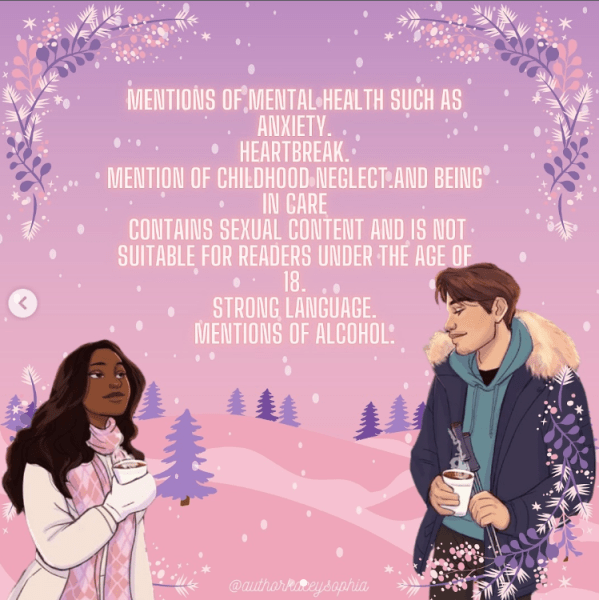
While we have discussed the importance of trigger warnings in books, we also need to look forward. Should warnings be a requirement in all books? Should they be printed or accessible via a QR code? CW pages are becoming more common, particularly in the self-published space, do traditional publishers need to catch up? There will always be a line between warnings and spoilers that some readers don’t want crossed, however, is it more important to protect the safety of the minority, or the comfort of the majority?
For us here at bookinfluencers.com, we’re all pro trigger warnings in books. Some of the team like to see warnings printed at the front of books, some prefer a QR code to access if you want to. Others use platforms such as Storygraph to look up CWs in books. Let us know your views on the importance of trigger warnings in books!


Thank you for visiting our blog. We are the bridge between the reading community and you. Reach out to us if you'd like to collaborate with bookish creators.