





Thank you for visiting our blog. We are the bridge between the reading community and you. Reach out to us if you'd like to collaborate with bookish creators.
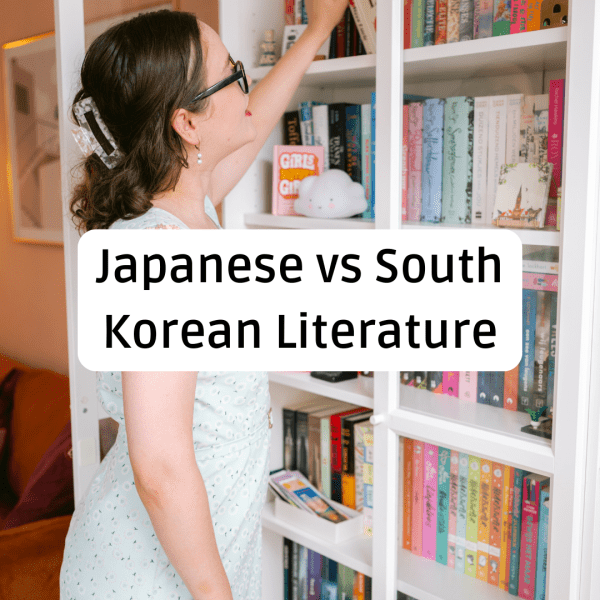
Japanese vs Korean literary fiction has gained global popularity in recent years. But what are the key similarities and differences between these two powerful literary traditions? In this article, we explore Japanese vs Korean literary fiction, uncovering how authors from both countries approach themes like identity, magical realism, and modern life.
Walk into any bookstore today, and you’ll likely find a display of Japanese and Korean authors. While Haruki Murakami and Han Kang first brought global attention to their respective literatures, a wave of fresh voices is now reshaping the scene.
Of course, every country has its own diverse literary landscape. South Korean authors don’t only write magical realism, just as Japanese writers explore far more than surreal or dreamlike tales. Yet, despite the diversity, certain recurring threads, such as cultural identity, historical memory, and the human experience, can be traced within each tradition.
Let’s start with the similarities between Japanese and Korean Literary Fiction.
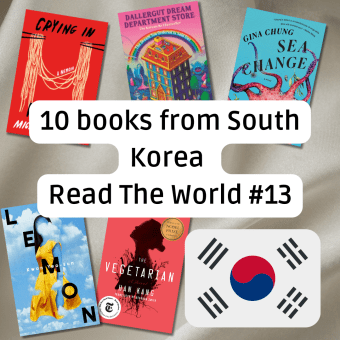
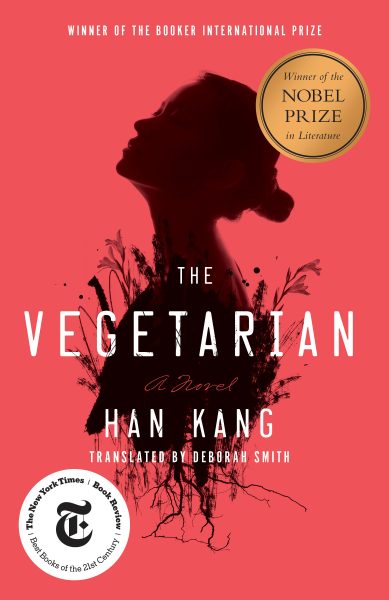
Both countries have a strong sense of community, or ‘we-culture’, yet their books often explore tension between the individual and the collective. How does one break free from societal expectations? Think of the South Korean author Han Kang, who wrote the radical novel The Vegetarian about a woman who needs to follow the rules to be part of the system. When she stops eating meat, her father even tries to force her to eat it to make her ‘normal.’
Identity also extends to adoption and growing up between two cultures. Authors with Korean or Japanese roots who live abroad, or whose parents or grandparents come from these countries, often explore questions of cultural belonging. What does it mean to grow up between two cultures? How does adoption shape one’s sense of self?
The second similarity is the element of magical realism, a literary style that blends everyday life with surreal or fantastical elements. Magical realism is deeply rooted in both Japanese and Korean literature because it allows authors to explore difficult themes indirectly, especially in contexts where open critique may be risky.
In Japan, magical realism often reflects cultural aesthetics like mono no aware (the bittersweet awareness of impermanence) or Shinto beliefs, where spirits and the supernatural coexist with the natural world. Authors like Haruki Murakami or Yoko Ogawa use surreal elements such as talking cats, mysterious disappearances, or dreamlike sequences to examine psychological depth and existential questions.
In South Korea, however, magical realism often emerges from historical trauma, social tension, and rapid modernization helping authors process collective experiences and critique society in subtle, imaginative ways.
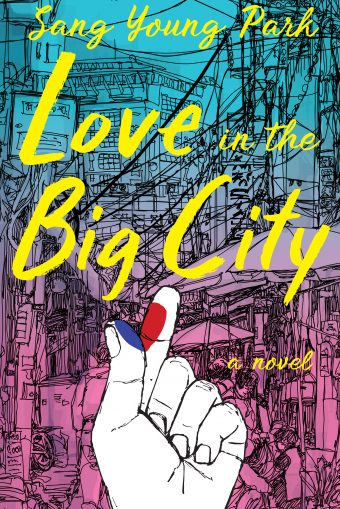
The third similarity is the focus on rapid modernization and urban life. Many stories are set in urban environments and explore themes of modern alienation. Showing how people navigate crowded yet emotionally isolating environments. A South Korean example is Sang Young Park’s Love in the Big City, which portrays characters struggling with loneliness, anonymity, and the pressures of contemporary life. Banana Yoshimoto explores similar themes in Japan, focusing on emotional healing and urban loneliness.
It is logical that this subject is discussed in both types of literature, as both Japan and South Korea have experienced dramatic urban growth. Enormous cities like Seoul and Tokyo bring not only opportunities but also psychological and social challenges for their residents.
Both Japanese and Korean Literary Fiction are deeply shaped by historical events, making historical trauma a central theme in many novels. In Japan authors have written extensively about the aftermath of the Second World War, while in South Korea, literature often reflects the impact of the Korean War. It’s reflected in themes like loss and guilt but also processing collective trauma.
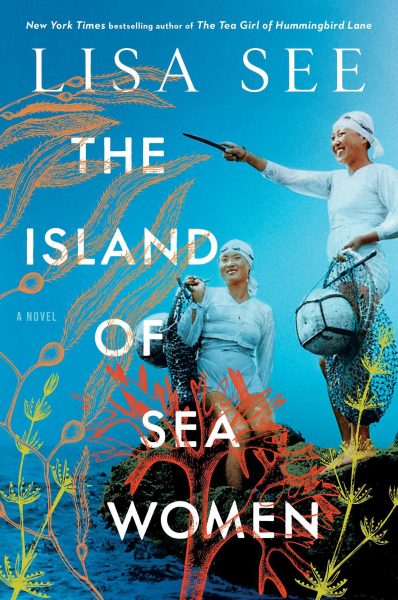
An example of this is The Island of Sea Women by Lisa See. This novel tells the story of a friendship between two female divers on the Korean island of Jeju. Spanning the 1930s to the 2000s, the novel examines survival under Japanese colonialism, World War II, and the Korean War, offering a vivid portrait of resilience and historical memory.
In South Korea, magical realism often emerges from historical trauma. Authors such as Han Kang or Kim Young-ha use surreal or symbolic elements such as ghosts, uncanny transformations, or dreamlike distortions. They use it to explore collective trauma from war, dictatorship, and rapid social change, while also critiquing society.
In contrast, Japanese magical realism tends to focus less on historical trauma and more on micro-stories, everyday absurdities, and existential questions. Works by Haruki Murakami or Toshikazu Kawaguchi (Before the Coffee Gets Cold) feature talking cats, mysterious disappearances, or dreamlike sequences to delve into psychological depth and human experience.

Pop culture shapes literature differently in South Korea and Japan. In South Korea, literature often draws from recent history and social issues. However, it also uses popular culture, such as K-pop, K-drama, and webtoons. For example, Y/N by Esther Yi, tells the story of a fan in Seoul searching for her missing idol, reflecting modern obsessions and urban life.
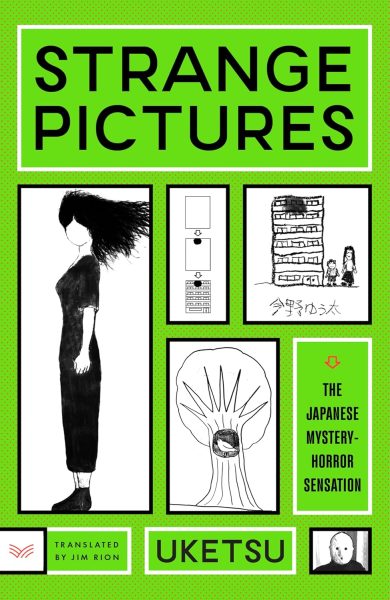
Meanwhile, Japanese literature is influenced by it’s own cultural traditions which go back centuries: including haiku poetry and kabuki theatre. More recently, manga has also emerged as a popular literary form. For instance, Strange Pictures by Uketsu blends detective and horror elements and uses pictures to keep the reader hooked.
What is the difference between Japanese and Korean literary fiction?
Japanese literary fiction often emphasizes micro-stories, everyday absurdities, and existential themes, whereas Korean literary fiction frequently explores historical trauma, social tension, and rapid modernization. Both, however, share themes like identity, magical realism, and urban life.
Who are some notable Japanese and Korean authors?
Key Japanese authors include Haruki Murakami, Banana Yoshimoto, and Toshikazu Kawaguchi. Prominent Korean authors include Han Kang, Kim Young-ha, and Sang Young Park. Each brings a unique voice reflecting their country’s culture and history.
How is magical realism different in Japan and South Korea?
In Japan, magical realism often blends everyday life with surreal or dreamlike elements, exploring psychological depth and existential questions. In South Korea, magical realism commonly addresses historical trauma and social critique, using symbolic or uncanny elements. You’re more likely to find talking cats in Japanese magical realism, and ghosts in South Korean versions.
How does pop culture influence contemporary literature in these countries?
South Korean literature is influenced by modern pop culture such as K-pop, K-drama, and webtoons. Japanese literature draws from centuries-old traditions like haiku, kabuki, and more recently manga, which blends visual storytelling with literary narratives.
Why are identity and urban life common themes in both literatures?
Both countries have experienced rapid urbanization and social change. Authors explore the tension between individual and collective identity, alienation, and emotional survival in large, fast-growing cities.
I love both Japanese vs Korean literary fiction, and both offer a fascinating glimpse into two rich literary traditions. While both share some themes, they differ in style, cultural influences, and narrative focus. Japanese fiction often emphasizes subtle, surreal micro-stories, whereas Korean literature frequently tackles historical and social challenges head-on.
For readers seeking diverse perspectives, we recommend exploring both literature types. From Haruki Murakami’s dreamlike worlds to Han Kang’s profound explorations of trauma, Japanese vs Korean literary fiction demonstrates the power of storytelling to reflect culture, history, and human experience. Whether you are drawn to the emotional depth of urban isolation or the imaginative reach of magical realism, these two traditions offer compelling and unforgettable narratives.


Thank you for visiting our blog. We are the bridge between the reading community and you. Reach out to us if you'd like to collaborate with bookish creators.