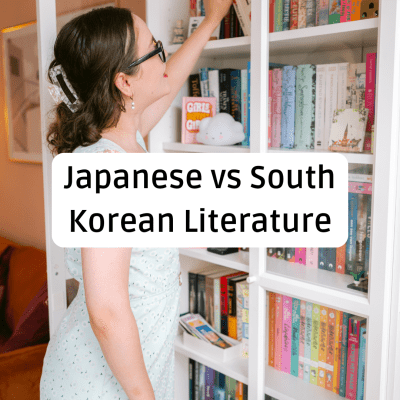
Japanese vs Korean literary fiction has gained global popularity in recent years. But what are the key similarities and differences between these two powerful literary traditions? In this article, we explore Japanese vs Korean literary fiction, uncovering how authors from both countries approach themes like identity, magical realism, and modern life.

Walk into any bookstore today, and you’ll likely find a display of Japanese and Korean authors. While Haruki Murakami and Han Kang first brought global attention to their respective literatures, a wave of fresh voices is now reshaping the scene.

Of course, every country has its own diverse literary landscape. South Korean authors don’t only write magical realism, just as Japanese writers explore far more than surreal or dreamlike tales. Yet, despite the diversity, certain recurring threads, such as cultural identity, historical memory, and the human experience, can be traced within each tradition.

Similarities between Japanese and Korean Literary Fiction


Let’s start with the similarities between Japanese and Korean Literary Fiction.

Focus on Identity in Japanese vs Korean Literary Fiction

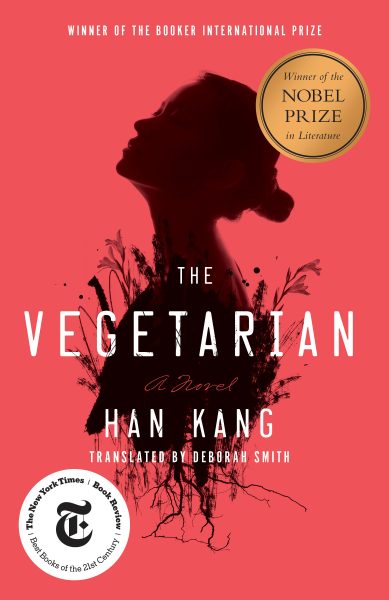
Both countries have a strong sense of community, or ‘we-culture’, yet their books often explore tension between the individual and the collective. How does one break free from societal expectations? Think of the South Korean author Han Kang, who wrote the radical novel The Vegetarian about a woman who needs to follow the rules to be part of the system. When she stops eating meat, her father even tries to force her to eat it to make her ‘normal.’

Identity also extends to adoption and growing up between two cultures. Authors with Korean or Japanese roots who live abroad, or whose parents or grandparents come from these countries, often explore questions of cultural belonging. What does it mean to grow up between two cultures? How does adoption shape one’s sense of self?
Magical Realism in Japanese and Korean Literature

The second similarity is the element of magical realism, a literary style that blends everyday life with surreal or fantastical elements. Magical realism is deeply rooted in both Japanese and Korean literature because it allows authors to explore difficult themes indirectly, especially in contexts where open critique may be risky.

In Japan, magical realism often reflects cultural aesthetics like mono no aware (the bittersweet awareness of impermanence) or Shinto beliefs, where spirits and the supernatural coexist with the natural world. Authors like Haruki Murakami or Yoko Ogawa use surreal elements such as talking cats, mysterious disappearances, or dreamlike sequences to examine psychological depth and existential questions.

In South Korea, however, magical realism often emerges from historical trauma, social tension, and rapid modernization helping authors process collective experiences and critique society in subtle, imaginative ways.

Urban Life and Rapid Modernization in Japanese vs Korean Fiction

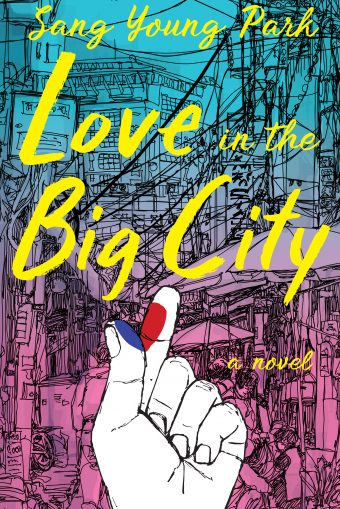
The third similarity is the focus on rapid modernization and urban life. Many stories are set in urban environments and explore themes of modern alienation. Showing how people navigate crowded yet emotionally isolating environments. A South Korean example is Sang Young Park’s Love in the Big City, which portrays characters struggling with loneliness, anonymity, and the pressures of contemporary life. Banana Yoshimoto explores similar themes in Japan, focusing on emotional healing and urban loneliness.
It is logical that this subject is discussed in both types of literature, as both Japan and South Korea have experienced dramatic urban growth. Enormous cities like Seoul and Tokyo bring not only opportunities but also psychological and social challenges for their residents.

Historical Trauma in Japanese and Korean Literary Fiction

Both Japanese and Korean Literary Fiction are deeply shaped by historical events, making historical trauma a central theme in many novels. In Japan authors have written extensively about the aftermath of the Second World War, while in South Korea, literature often reflects the impact of the Korean War. It’s reflected in themes like loss and guilt but also processing collective trauma.

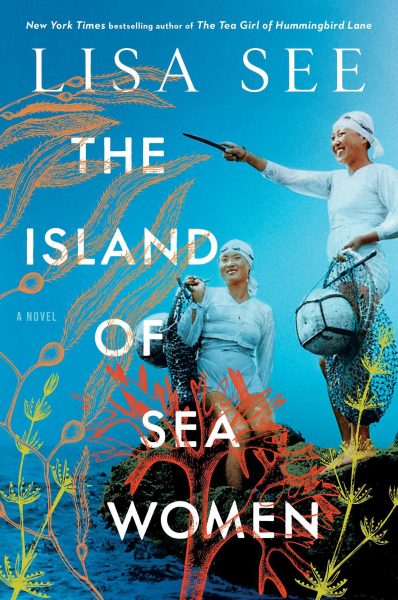
An example of this is The Island of Sea Women by Lisa See. This novel tells the story of a friendship between two female divers on the Korean island of Jeju. Spanning the 1930s to the 2000s, the novel examines survival under Japanese colonialism, World War II, and the Korean War, offering a vivid portrait of resilience and historical memory.
Differences between Japanese and Korean Literary Fiction

Magical Realism Differences

In South Korea, magical realism often emerges from historical trauma. Authors such as Han Kang or Kim Young-ha use surreal or symbolic elements such as ghosts, uncanny transformations, or dreamlike distortions. They use it to explore collective trauma from war, dictatorship, and rapid social change, while also critiquing society.

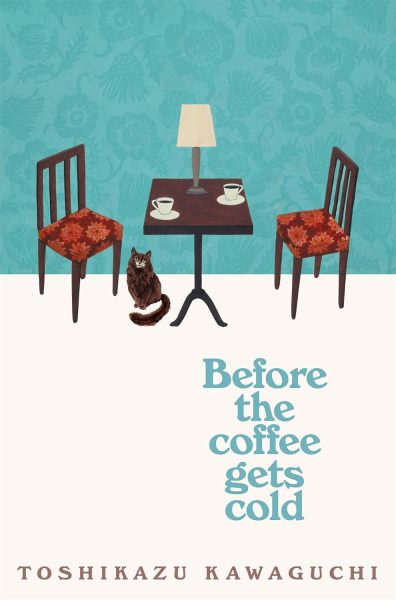
In contrast, Japanese magical realism tends to focus less on historical trauma and more on micro-stories, everyday absurdities, and existential questions. Works by Haruki Murakami or Toshikazu Kawaguchi (Before the Coffee Gets Cold) feature talking cats, mysterious disappearances, or dreamlike sequences to delve into psychological depth and human experience.
Pop Culture Influences

Pop culture shapes literature differently in South Korea and Japan. In South Korea, literature often draws from recent history and social issues. However, it also uses popular culture, such as K-pop, K-drama, and webtoons. For example, Y/N by Esther Yi, tells the story of a fan in Seoul searching for her missing idol, reflecting modern obsessions and urban life.

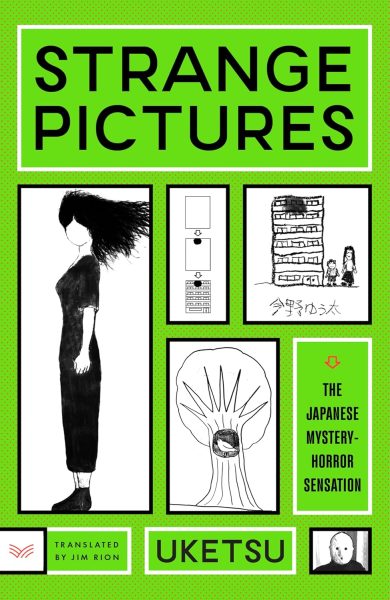
Meanwhile, Japanese literature is influenced by it’s own cultural traditions which go back centuries: including haiku poetry and kabuki theatre. More recently, manga has also emerged as a popular literary form. For instance, Strange Pictures by Uketsu blends detective and horror elements and uses pictures to keep the reader hooked.
FAQ

What is the difference between Japanese and Korean literary fiction?
Japanese literary fiction often emphasizes micro-stories, everyday absurdities, and existential themes, whereas Korean literary fiction frequently explores historical trauma, social tension, and rapid modernization. Both, however, share themes like identity, magical realism, and urban life.

Who are some notable Japanese and Korean authors?
Key Japanese authors include Haruki Murakami, Banana Yoshimoto, and Toshikazu Kawaguchi. Prominent Korean authors include Han Kang, Kim Young-ha, and Sang Young Park. Each brings a unique voice reflecting their country’s culture and history.

How is magical realism different in Japan and South Korea?
In Japan, magical realism often blends everyday life with surreal or dreamlike elements, exploring psychological depth and existential questions. In South Korea, magical realism commonly addresses historical trauma and social critique, using symbolic or uncanny elements. You’re more likely to find talking cats in Japanese magical realism, and ghosts in South Korean versions.

How does pop culture influence contemporary literature in these countries?
South Korean literature is influenced by modern pop culture such as K-pop, K-drama, and webtoons. Japanese literature draws from centuries-old traditions like haiku, kabuki, and more recently manga, which blends visual storytelling with literary narratives.

Why are identity and urban life common themes in both literatures?
Both countries have experienced rapid urbanization and social change. Authors explore the tension between individual and collective identity, alienation, and emotional survival in large, fast-growing cities.

Japanese vs Korean Literary Fiction: Final Thoughts and Takeaways

I love both Japanese vs Korean literary fiction, and both offer a fascinating glimpse into two rich literary traditions. While both share some themes, they differ in style, cultural influences, and narrative focus. Japanese fiction often emphasizes subtle, surreal micro-stories, whereas Korean literature frequently tackles historical and social challenges head-on.

For readers seeking diverse perspectives, we recommend exploring both literature types. From Haruki Murakami’s dreamlike worlds to Han Kang’s profound explorations of trauma, Japanese vs Korean literary fiction demonstrates the power of storytelling to reflect culture, history, and human experience. Whether you are drawn to the emotional depth of urban isolation or the imaginative reach of magical realism, these two traditions offer compelling and unforgettable narratives.

Read the world #1

Read Around The World challenges are popping up on a lot of platforms at the moment, and we love to see it! I am personally doing a European challenge, because there are a lot of countries where I have never read a book from. (And honestly, reading a book from every country in the world makes me overwhelmed – so I’m thinking of doing this continent by continent). Anyway, if you want to join in on this challenge, we’re here to help you. In the upcoming year we will be sharing our best recs – and I’m kicking off as a Dutchie with 10 books from The Netherlands you should read.

LITERARY FICTION

Thistle – Nadia de Vries

I love to read weird girl literature. I’m totally the Ottessa Moshfesh kind of girl who also loves Japanese books such as The Girl Who Turned Into A Pair of Chopsticks and The Hole. Thistle is written beautifully, covering themes like girlhood, sexuality and grief.

Thistle is a young woman whose father, a pilot, dies suddenly in a plane crash when she is thirteen years old. The airline’s compensation pay out is substantial but doesn’t assuage the family’s grief. By the time she is seventeen, Thistle has lost most of her teenage years trying to make sense of her father’s premature death. In the meantime, her body is developing, and she finds herself sexualized and objectified by men against her will. Teenaged Thistle is increasingly aware of her allure but unsure of how to use that to her advantage. When her mother gifts her a camera, Thistle decides to turn the lens on herself, capturing her nude body in various poses just before she turns eighteen.

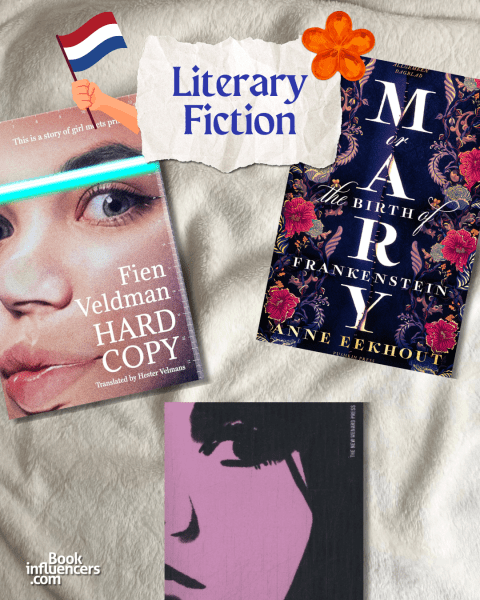
Hard Copy – Fien Veldman

This is one of my favourite Dutch books! If you liked Sayaka Murata and Halle Butler, this one is for you. This is a story about a customer service assistant who meets a printer (and talks to it) and spends her long workdays printing letters. Her one friend is the printer and, in the dark confines of her office, she begins to open up to him, talking about her fears, her past, her hopes and dreams. To her, it seems like a beautiful friendship is blossoming. To her boss, it seems like she’s losing her mind. Diagnosed with burnout and placed on leave, she faces severance and – worse – separation from her beloved printer. But she’s not about to give up on her only friend without a fight. And, it turns out, neither is he. Give this debut novel a chance, you won’t regret it!

Mary, or The Birth of Frankenstein – Anne Eekhout

Looking for a historical fiction with some dark academia vibes? And did you love Frankenstein? Put Mary by Anne Eekhout on your list. It tells a fictional story about Mary’s early years, before she wrote the popular classic. ‘A bold new framing for questions about where we draw lines: between queerness and heterosexuality, the natural and the unnatural, and the imaginary and the real…’, wrote The New Yorker.

As darkness falls and storms rage over Lake Geneva, a group of friends gather in a candle-lit-villa. Among them are eighteen-year-old Mary and her mercurial lover Percy Shelley. As laudanum stirs their feverish imaginations, their host Lord Byron challenges everyone to write a ghost story. Suddenly Mary is transported back to a long, strange summer in the wilds of Scotland, where she fell in love with the enigmatic Isabella Baxter. As she remembers, something fierce and terrifying awakes within her. Now she will unleash it into the world.

GRAPHIC NOVELS

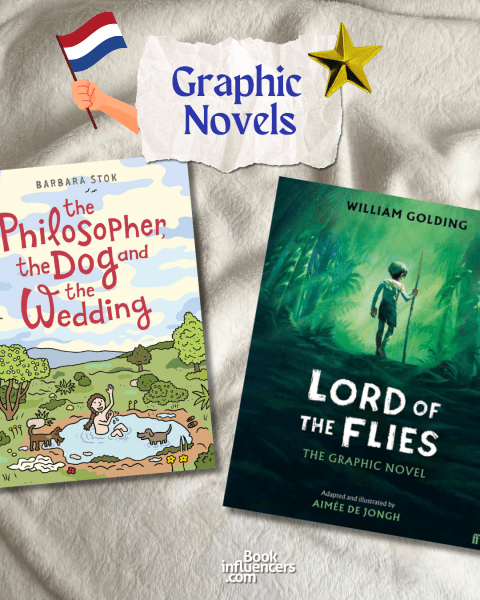
The Philosopher, the Dog and the Wedding – Barbara Stok

Looking for a graphic novel? I would recommend this one by Barbara Stok, which is about Hipparchia, one of the first female philosophers. This book shows us that the insights from thousands of years ago are still relevant today. Crates and Hipparchia were part of the cynical philosophy. In ancient Athens, the Cynics formed a provocative movement against all conventional values. One of their fundamental principles was that we can only attain true happiness if we are independent of material possessions and social position. Hipparchia was a strong woman who had the courage to live by her own ideals, despite all the prevailing beliefs of her time.

CHILDREN’S BOOKS

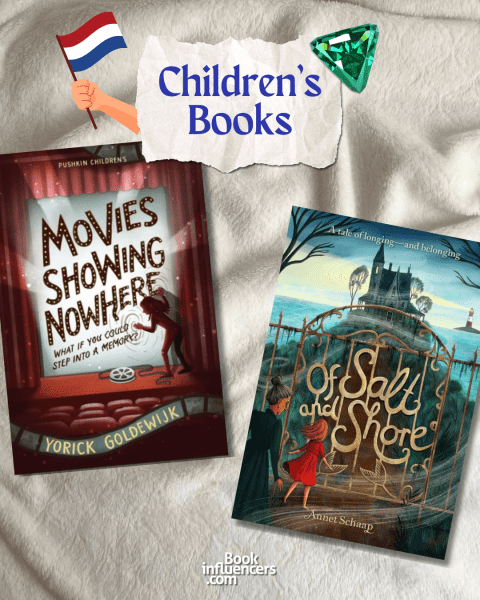
Movies Showing Nowhere – Yorick Goldewijk

A middle grade read that won a lot of prizes in The Netherlands is Movies Showing Nowhere by Yorick Goldewijk. And I can see why, because this book made me tear up several times and showed me how to deal with grief. It’s stunning, a children’s book that you want to recommend to everyone despite their age. If you like books by Rebecca Stead, you will love Yorick Goldewijk.
On the day Cate came into the world, her mum left it. Her dad is often distant and silent, so she keeps herself entertained with kung fu films, her pet rabbit and her photography. Then one afternoon Cate receives a mysterious invitation to an abandoned cinema, and everything changes. Soon Cate meets the peculiar Mrs Kano and discovers a most unusual kind of movie screen – the kind that lets you step through it into a memory. So begins a wonder-filled adventure through time that will teach Cate the true meaning of love, loss and learning to let go.

Lampie (UK) or Of Salt And Shore (USA) – Annet Schaap

This middle grade novel takes the dark stuff of fairytales and crafts it into a powerful story of friendship and light. An absolute bestseller in The Netherlands. If you like books set by the coast, want something hopeful and love fairytales – you’ll love Lampie. I read this book a few years ago and I’m still thinking about it.
Every evening Lampie, the lighthouse keeper’s daughter, must light a lantern to warn ships away from the rocks, but one stormy night disaster strikes. The lantern is not lit, a ship is wrecked, and someone must pay. To work off her debt, Lampie is banished to the Admiral’s lonely house, where a monster is rumored to live. The terrors inside the house aren’t quite what she thought they would be – they are even stranger. After Lampie saves the life of the neglected, deformed son of the admiral, a boy she calls Fish, they form a
close bond. Soon they are pulled into a fairytale adventure swimming with mermaids, pirates, and misfits. Lampie will discover the courage to fight for friendship, knowledge, and the freedom to be different.

NONFICTION

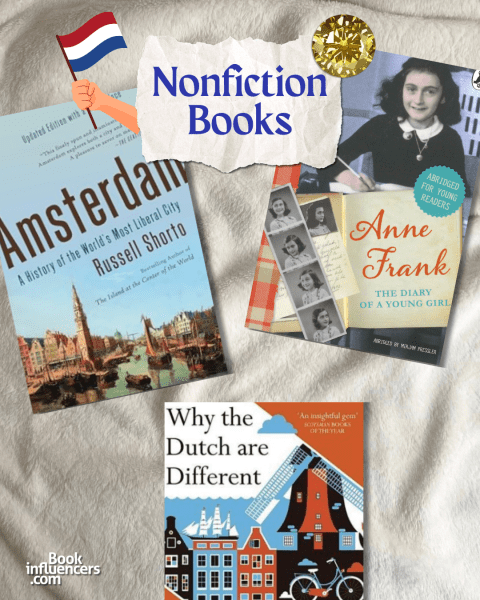
Amsterdam: A History of the World’s Most Liberal City – Russell Shorto

Do you want to read more about the history of The Netherlands, and specifically Amsterdam? Amsterdam: A History of the World’s Most Liberal City is the one to go for. Tourists know Amsterdam as a picturesque city of low-slung brick houses lining tidy canals; student travellers know it for its legal brothels and hash bars; art lovers know it for Rembrandt’s glorious portraits. But the deeper history is all about freedom, liberalism and protests.
Amsterdam is the font of liberalism, in both its senses. Tolerance for free thinking and free love make it a place where, in the words of one of its mayors, “craziness is a value.” But the city also fostered the deeper meaning of liberalism, one that profoundly influenced America: political and economic freedom. Amsterdam was home not only to religious dissidents and radical thinkers but to the world’s first great global corporation.

Why the Dutch are Different – Ben Coates

Coates, who is originally from England moved to The Netherlands accidentally and never left. In his books he writes about his experiences with the Dutch – from their directness to their love for cheese. A fun, light and quick read for it you want to know more about the Dutch culture. In this book Coates takes readers into the heart of his adopted country, going beyond the usual tourist attractions and cliches to explore what it is that makes the Dutch the Dutch, the difference between Holland and the Netherlands, and why the colour orange so important. A travelogue, a history and a personal account of a changing country.

The Diary of Anne Frank – Anne Frank

A must-read since it’s one of the most enduring documents of the 20th century: The Diary of Anne Frank. Even if you don’t live in The Netherlands, you must have heard of Anne Frank. Anne was a Jewish girl that lived in Amsterdam in the 1940s. When Nazi Germany invaded the Netherlands, Anne and her family hid in an attic in an attempt to escape the persecution of Jews. For over two years, Anne wrote in her diary with an awareness that was extremely mature for her age. She detailed her experiences and insights while she and her family were in hiding, living in a constant fear of being arrested. The Diary of Anne Frank is a record of her understanding of the war and showcases her storytelling abilities in such horrific circumstances. In 1944, the Franks were found and sent to concentration camps. Anne died before she turned 16.

If you want to join in on this blog series and would like to recommend books from your own country, feel free to send us an email to jenny@bookinfluencers.com!